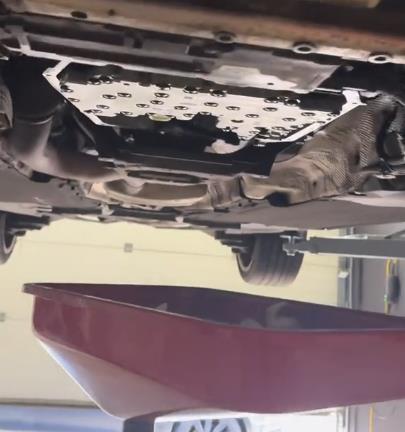
Engine Oil Service
An oil change helps remove engine sludge and wear particles.
An important part of the oil change process is draining the old oil, which also removes dirt and sludge that can be deadly to your vehicle’s engine.
It is then replaced with new, fresh oil.
Imagine all the moving parts — pistons, valves, and other engine components — working at high speed under the hood of your car.
These components generate heat and would cause severe engine wear without proper oil lubrication.
Improves fuel efficiency.
Poor engine lubrication can lead to higher fuel consumption, so make sure there is always enough clean oil in the engine.
Set a monthly reminder for yourself to check the oil level.
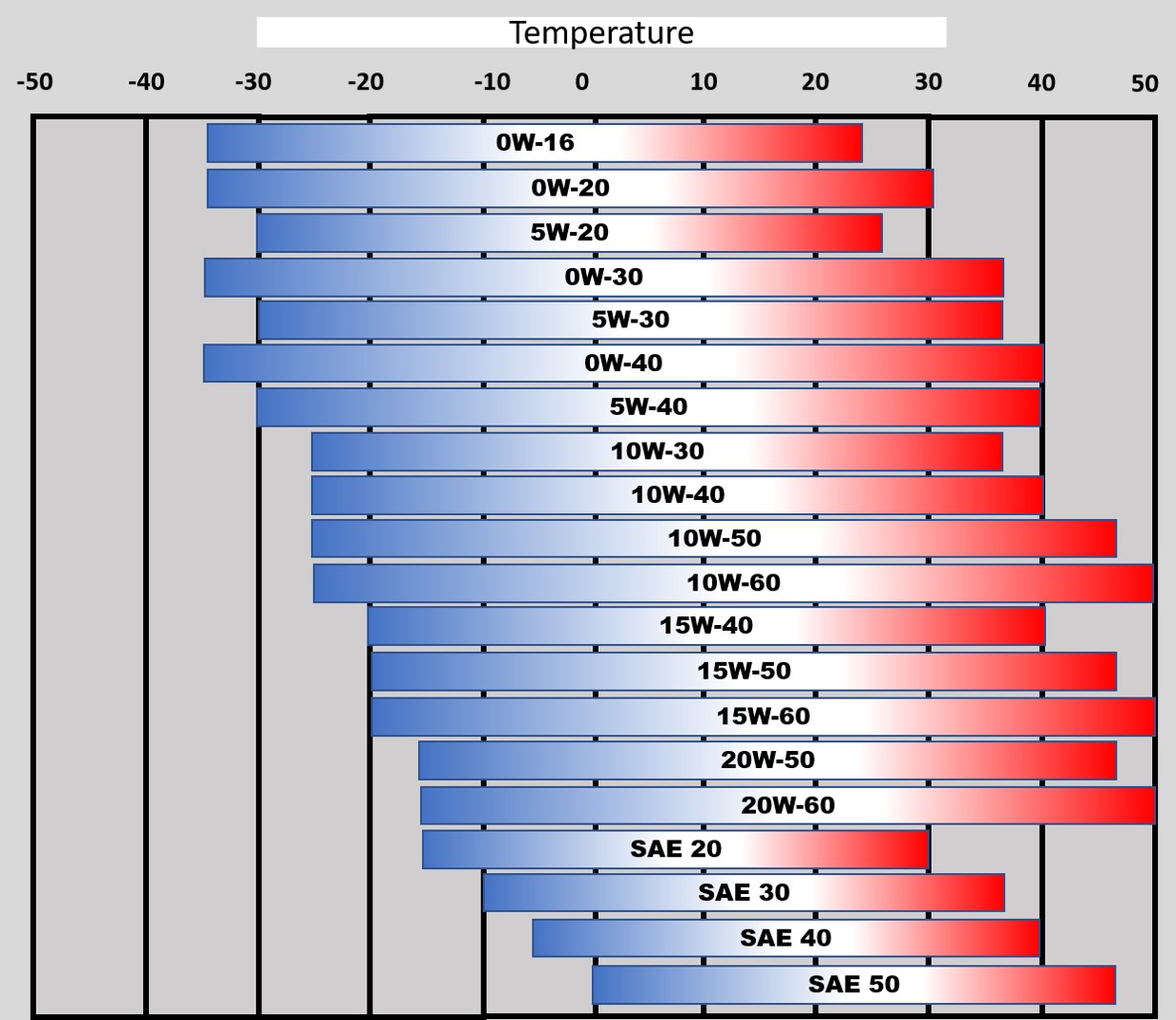
Automatic Transmission Fluid Change
Regular automatic transmission fluid (ATF) changes are one of the most important - yet often overlooked - parts of vehicle maintenance. ATF is responsible for lubrication, cooling, hydraulic pressure, and smooth gear shifting. Over time, the fluid degrades from heat, friction, and contamination from clutch material, which can lead to harsh shifting, overheating, or even transmission failure.
Why Changing ATF Is Important
- Maintains proper lubrication – Fresh ATF reduces internal wear and prevents overheating.
- Improves shift quality – Clean fluid enables smoother and faster gear changes.
- Extends transmission life – Prevents varnish buildup and reduces stress on clutches and valves.
- Prevents costly repairs – Transmission rebuilds are expensive; fluid changes are not.
How Complex Is the Job?
The difficulty depends on the transmission design and the method used:
- Drain & Fill:
The simplest method. You drain the old fluid from a pan bolt and refill the same amount. Not all old fluid is removed—usually 30–50%. Suitable for routine maintenance.
- Pan Drop + Filter Replacement:
Medium complexity. The transmission pan is removed, the internal filter is replaced, and the pan gasket is renewed. This gives access to the magnets and pan, which can be cleaned from metallic dust.
- Full Fluid Exchange / Flush:
More complex. Specialized equipment or the vehicle’s internal pump is used to replace nearly all old ATF. Requires careful handling to avoid pressure spikes or mixing incompatible fluids.
Parts and Materials Used
A typical ATF service may include:
- ATF fluid - Must match the exact spec (e.g., Dexron VI, ATF+4, Toyota WS, CVT fluid, etc.).
- Transmission filter - Cartridge or screen type, depending on the model.
- Pan gasket or RTV sealant - To prevent leaks after reassembly.
- Drain plug washer - Often replaced to ensure a good seal.
- Transmission pan bolts - Sometimes replaced if corroded or stretch-type.
- Cleaner & shop towels - For cleaning the pan, magnet, and mating surfaces.
How Often Should You Change It?
Most manufacturers recommend 60,000–100,000 km, but heavy use (towing, city driving, high temperatures) may require every 40,000–60,000 km.
CVTs and dual-clutch transmissions often need even more frequent changes.